
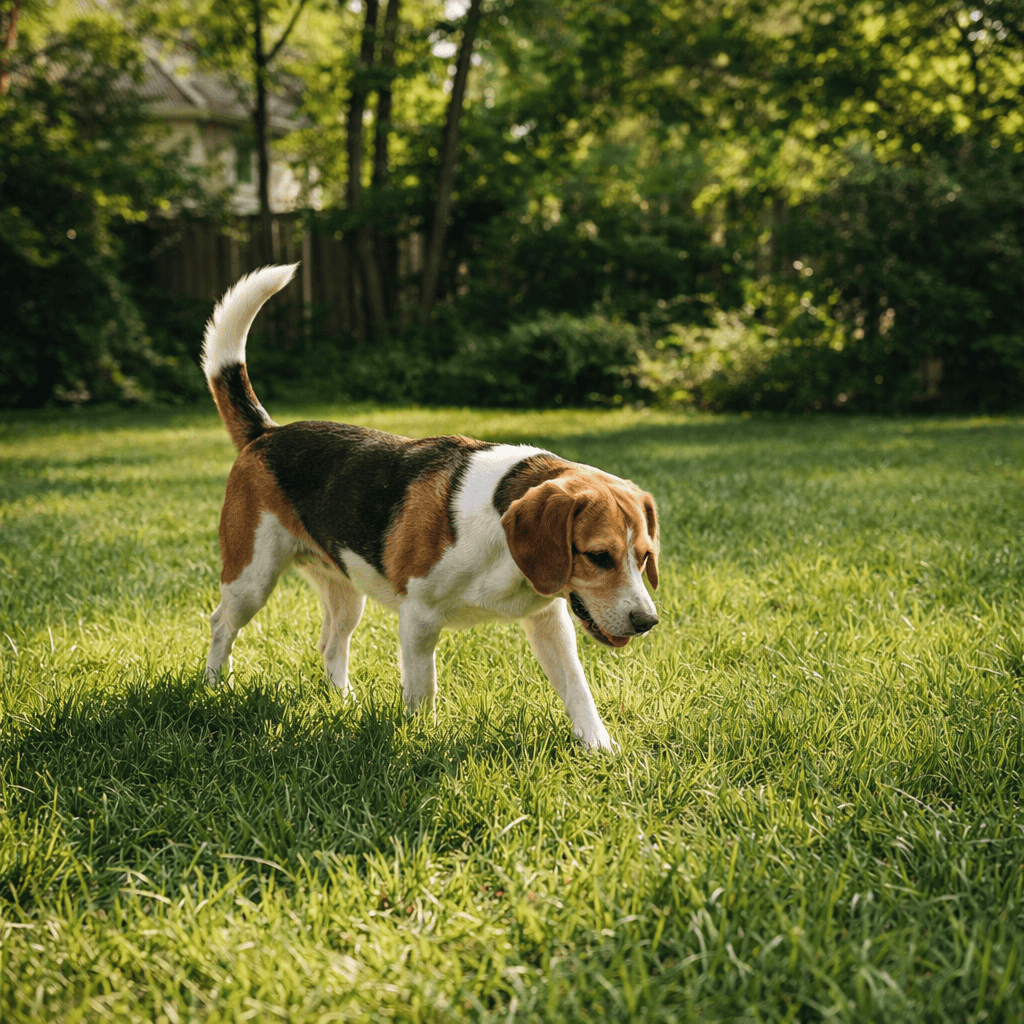

Flea and tick treatments work by targeting the life cycle and habitat conditions that allow these pests to survive in outdoor environments. These treatments focus on reducing active populations while limiting the ability of fleas and ticks to reproduce and spread. In Omaha, Nebraska and surrounding areas, seasonal weather patterns and lawn conditions play a major role in how effective these treatments can be over time.
Understanding Flea and Tick Activity in Lawns
Fleas and ticks are not randomly distributed across a lawn. They tend to concentrate in areas where moisture, shade, and organic debris provide protection from heat and sunlight. Common hotspots include shaded turf, landscape edges, tall grass, and areas where pets frequently rest or travel, which helps explain where fleas and ticks tend to live in the yard.
Ticks often wait on blades of grass or low vegetation, attaching to passing animals or people. Fleas, on the other hand, tend to remain closer to the ground, laying eggs in soil, thatch, or organic debris. These behaviors make lawns an important part of the overall environment where infestations develop and persist.
In regions like Omaha, fluctuating temperatures and humidity levels influence how quickly flea and tick populations grow. Warm, humid conditions tend to accelerate their life cycles, while cooler or drier periods may slow activity but not eliminate it entirely.
How Treatments Target the Flea and Tick Life Cycle
Effective flea and tick control in lawns focuses on disrupting multiple stages of the pest life cycle rather than only addressing visible activity. Both fleas and ticks go through several stages, including eggs, larvae, and adults, each requiring different conditions to survive.
Treatments are designed to reduce adult populations while also limiting the development of immature stages. This approach helps prevent new generations from emerging after initial activity appears to be reduced. Without addressing the full life cycle, populations can quickly return as eggs hatch and larvae mature.
By targeting multiple stages, lawn treatments support longer-lasting control and help reduce the likelihood of recurring infestations.
Where Flea and Tick Treatments Are Most Effective
Flea and tick treatments are typically most effective when applied to the areas where these pests are most likely to live. This includes shaded sections of the lawn, under trees or shrubs, along fence lines, and around patios or outdoor living spaces.
Edges of the lawn are especially important because they act as transition zones between turf and natural habitats such as wooded areas or neighboring properties. These zones often serve as entry points for ticks carried by wildlife or fleas introduced by pets.
In Omaha and surrounding areas, lawns with dense shade, heavy thatch, or inconsistent mowing patterns may provide more favorable conditions for flea and tick activity, which is closely tied to what attracts fleas and ticks to certain lawn areas. Identifying and focusing on these areas improves overall treatment effectiveness.
Environmental Factors That Influence Treatment Performance
The effectiveness of flea and tick treatments is closely tied to environmental conditions. Temperature, moisture levels, and lawn structure all play a role in how treatments interact with the landscape.
For example, heavy rainfall can affect how long treatments remain active in the lawn, while dry conditions may influence how pests move or hide within the turf. Soil composition and organic matter levels can also impact how treatments are distributed and retained.
Maintaining a well-managed lawn with consistent mowing, reduced debris, and balanced soil conditions helps create an environment that is less supportive of flea and tick populations. These environmental factors work alongside treatments to improve overall control.
Why Ongoing Management Matters for Flea and Tick Control
Flea and tick activity is not limited to a single point in time. Because these pests reproduce and re-enter the lawn environment from surrounding areas, ongoing management is often necessary to maintain lower population levels.
Wildlife, neighboring properties, and pet movement can all reintroduce fleas and ticks into treated areas. Without continued attention to lawn conditions and seasonal pest activity, populations can gradually rebuild.
Understanding this pattern helps explain why consistent monitoring and periodic treatment play a role in maintaining a more controlled outdoor environment.
How Lawn Conditions Affect Flea and Tick Presence
The condition of the lawn itself influences how attractive it is to fleas and ticks. Lawns with thick, healthy turf and balanced soil conditions tend to be less favorable for pest development compared to lawns with excessive thatch, patchy growth, or heavy shade.
Organic debris such as leaves and grass clippings can create protective environments where pests are less exposed to sunlight and temperature extremes. Similarly, overgrown or poorly maintained areas can increase the likelihood of pest activity.
By improving overall lawn structure and reducing favorable habitats, it becomes more difficult for fleas and ticks to establish and spread.
Is flea and tick treatment in lawns safe for pets and people?
Flea and tick treatments used in lawns are designed to reduce pest activity while being applied in a controlled and targeted manner. Safety depends on proper application, environmental conditions, and allowing time for treatments to settle before regular lawn use resumes.
Most treatments are intended to interact with pests at specific stages without remaining active on surfaces where people or pets are in direct contact. Following general lawn care best practices, such as avoiding immediate use after treatment and maintaining a clean, well-managed lawn, supports a safer outdoor environment.
Understanding how treatments are applied and how they behave in the lawn helps homeowners make informed decisions about outdoor use.
How This Relates to Flea and Tick Defense in Lawns
Understanding how treatments work provides helpful context for broader lawn pest management. The goal is not only to reduce visible pest activity but also to create conditions that are less supportive of ongoing infestations.
Homeowners who want a deeper understanding of how lawn-focused pest management fits into a broader approach can learn more about Flea & Tick Defense and how it connects to overall lawn health and outdoor comfort.