
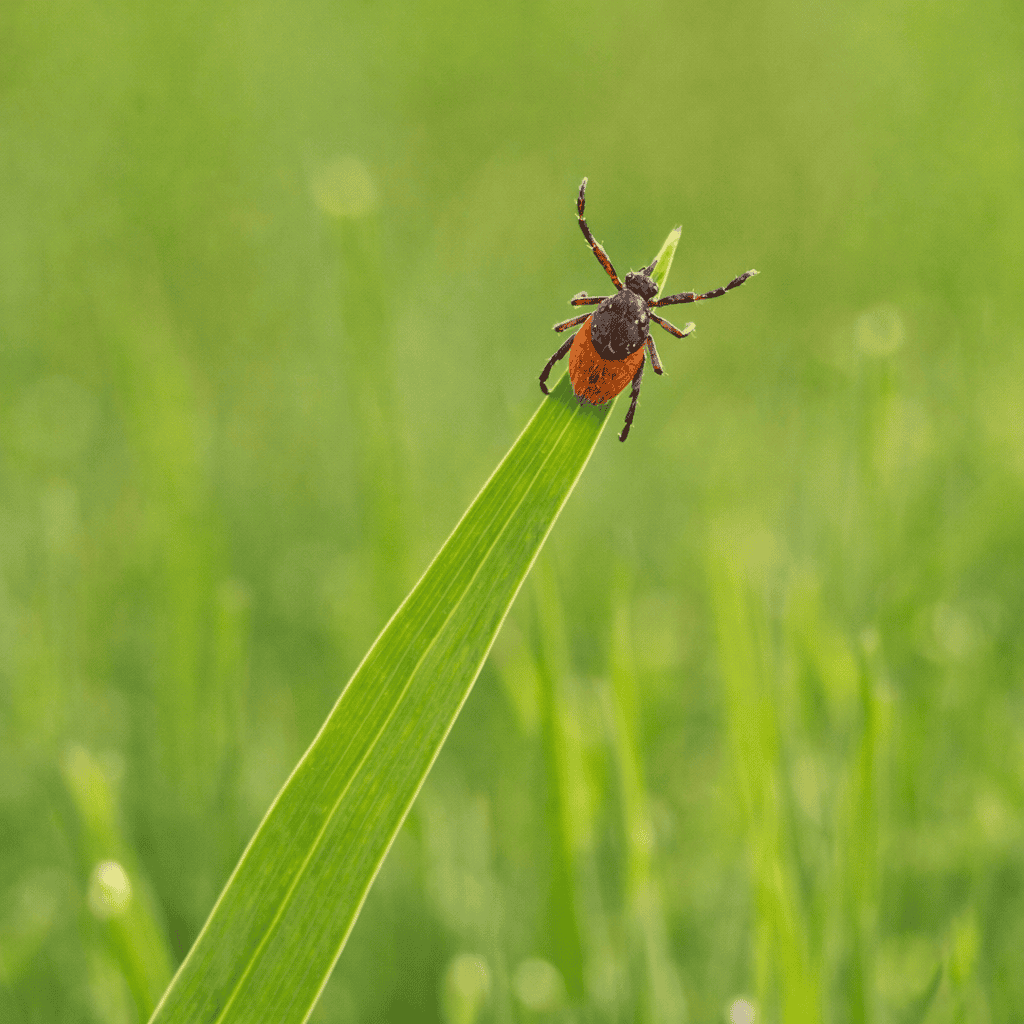

Ticks are small parasitic arachnids that feed on the blood of animals and humans, and they are known carriers of several diseases that can affect both people and pets. Because ticks rely on hosts to survive at each stage of their life cycle, they often appear in grassy, wooded, or brushy environments where wildlife and pets move through the landscape. In Omaha, Nebraska and surrounding areas, seasonal outdoor activity and wildlife movement can increase the likelihood of tick exposure around residential yards.
Why Ticks Are Considered a Health Concern
Most homeowners do not think about ticks until they encounter one, but these pests are widely known for their ability to transmit disease. Depending on the species and geographic location, ticks may carry pathogens that can cause illnesses in humans and animals.
Some of the diseases associated with tick exposure include:
Lyme disease
Powassan virus
Rocky Mountain spotted fever
Anaplasmosis
Babesiosis
Tularemia
STARI (Southern Tick-Associated Rash Illness)
Ehrlichiosis
Heartland virus
Alpha-gal syndrome (sometimes referred to as red meat allergy)
These diseases are transmitted when an infected tick feeds on a host and transfers pathogens through its saliva. Because of this transmission process, understanding tick behavior and habitat is an important step in reducing exposure risk.
The Life Cycle of a Tick
Ticks develop through four primary life stages: egg, larva, nymph, and adult. Each stage requires a blood meal from a host in order for the tick to progress to the next stage of development.
The full life cycle can take up to three years to complete, depending on environmental conditions and host availability. During each feeding stage, ticks attach to a host and consume blood over a period of several days. If the host is infected with certain pathogens, the tick may acquire those pathogens during feeding.
Once infected, the tick may transmit the pathogen to the next host it feeds on. This process is why ticks are commonly associated with the spread of diseases among wildlife, pets, and humans.
How Ticks Transmit Disease
Ticks feed by inserting specialized mouthparts into the skin of their host. Their saliva contains compounds that help numb the skin and prevent the host from noticing the bite while the tick feeds.
Because the bite may go unnoticed, ticks can remain attached for extended periods. During feeding, pathogens present in the tick can enter the host’s bloodstream through the saliva.
After feeding for several days, the tick becomes engorged and eventually detaches from the host. Even if a tick is discovered before it has fully engorged, there is still a possibility of disease exposure depending on how long it has been attached.
Identifying Ticks in Your Environment
There are many species of ticks found throughout North America, and identifying the specific type can help determine potential health risks. Ticks are typically small, flat-bodied arachnids with eight legs in their later life stages.
If a tick is discovered on a person or pet, it can sometimes be helpful to place the tick in a sealed container for identification. Several public resources provide identification assistance and information about the geographic distribution of different tick species.
Health agencies such as the Centers for Disease Control and Prevention (CDC) maintain maps that show where various tick species are most commonly found. These maps help illustrate how tick populations shift and expand over time.
Where Ticks Are Commonly Found
Many people associate ticks with hiking trails or heavily wooded areas, but ticks can also appear in residential landscapes. Ticks do not jump or fly; instead, they wait on vegetation and attach to a passing host.
Common locations where ticks may be present include where ticks tend to live in a yard:
Tall grass and unmowed lawn areas
Landscape edges near wooded spaces
Shrubs and low tree branches
Leaf litter and groundcover
Areas where wildlife frequently travel
Wild animals such as deer, squirrels, rabbits, and other small mammals can transport ticks through neighborhoods and into residential yards, which is a big part of what attracts ticks into residential yards. Because of this movement, ticks may appear even in properties that are otherwise well maintained.
Preventive Habits That Help Reduce Tick Exposure
Although ticks are a natural part of many ecosystems, certain habits can help reduce the chances of encountering them. Awareness of tick behavior and routine preventive steps can make a meaningful difference.
Helpful practices may include:
Conducting tick checks after spending time outdoors
Showering soon after outdoor activities
Using lint rollers or similar tools to remove ticks from clothing
Keeping grass trimmed and landscape edges maintained
Monitoring pets that spend time outdoors
Removing ticks promptly is also important. If a tick has attached, it is generally recommended to remove it using clean, pointed tweezers and to disinfect the area afterward.
Why Tick Awareness Matters for Residential Yards
Ticks often enter residential properties through wildlife movement and nearby vegetation. Because they rely on hosts for transportation, they may appear in areas where pets, children, and outdoor activities are common.
Homeowners who spend time outdoors in their yards, gardens, or recreational spaces may encounter ticks without realizing how they arrived there. Learning about tick habitat and seasonal activity helps explain why these pests sometimes appear in suburban environments.
Understanding how ticks move through landscapes also provides context for the broader topic of Flea & Tick Defense and how homeowners think about protecting their outdoor spaces.
How Long Does It Take for a Tick to Attach?
Ticks do not attach immediately when they land on a host. In many cases, they spend time searching for a suitable place on the body before inserting their mouthparts.
This process may take anywhere from several minutes to a few hours. Because of this delay, early detection can sometimes prevent a tick from attaching and feeding.
Performing routine tick checks after outdoor activity helps reduce the likelihood of prolonged attachment and lowers the chances of exposure to pathogens carried by ticks.