
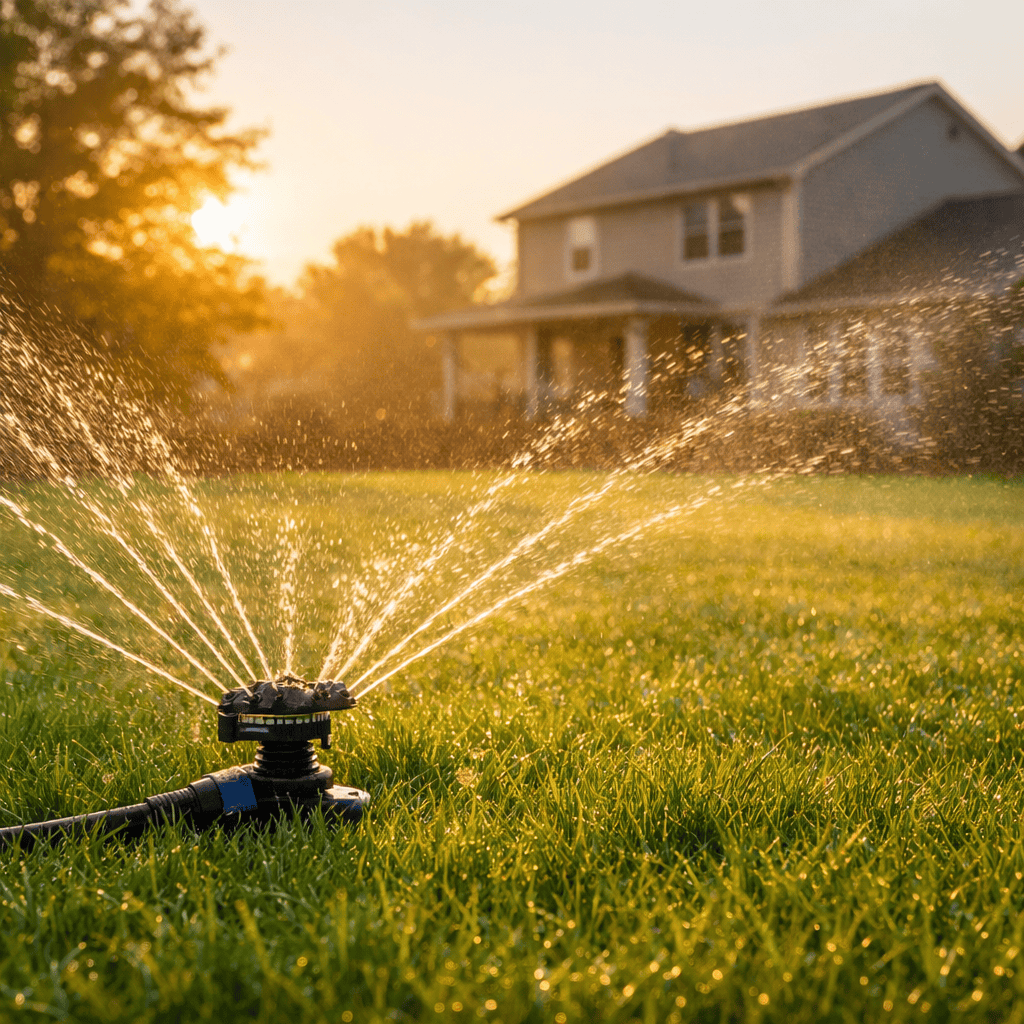

Proper lawn watering and mowing are two of the most important factors in maintaining healthy grass, as they directly influence root development, soil moisture balance, and overall turf resilience. These practices determine how well a lawn can handle seasonal stress, recover from wear, and maintain consistent growth. In Omaha, Nebraska and surrounding areas, changing weather patterns and summer heat make proper watering and mowing habits especially important for long-term lawn health.
Proper Lawn Watering Practices
Water plays a central role in turf growth, nutrient movement, and soil biology, especially when considering how different soil types hold water. While grass needs consistent moisture, overwatering can lead to shallow roots, increased disease pressure, and poor soil structure. Effective watering is based on three key factors: total water amount, timing, and frequency.
In Omaha, lawns typically require different weekly water totals throughout the growing season due to temperature changes and evaporation rates:
April – approximately 1 inch per week
May – approximately 1 inch per week
June – approximately 1.25 inches per week
July – approximately 1.5 inches per week
August – approximately 1.5 inches per week
September – approximately 1.25 inches per week
October – approximately 1 inch per week
These totals can come from rainfall, irrigation, or a combination of both. Measuring output with simple methods, such as placing small containers around the yard during a sprinkler cycle, helps determine how much water is actually being applied and allows for better seasonal adjustments.
Consistent moisture supports nutrient cycling and microbial activity in the soil, both of which contribute to stronger turf and more stable lawn performance over time, including how soil pH affects lawn health.
When to Water Your Lawn
The timing of irrigation affects how efficiently water is absorbed and how long moisture remains on the grass surface. Early morning watering, typically starting around 4 a.m., allows water to soak into the soil before temperatures rise and wind increases.
Morning watering also gives grass blades time to dry throughout the day. This reduces the likelihood of foliar diseases, which are more likely to develop when turf remains wet overnight. In climates like Omaha, where humidity can fluctuate, proper timing plays an important role in maintaining turf health.
How Often Should You Water?
Watering deeply and less frequently is generally more effective than light, frequent irrigation. For example, watering twice per week for longer durations encourages water to move deeper into the soil profile.
As moisture moves downward, root systems follow, leading to deeper and more resilient roots. This improves the lawn’s ability to tolerate heat, drought, and environmental stress. In contrast, frequent shallow watering keeps roots near the surface, making the lawn more vulnerable during dry periods.
These deeper watering practices support the long-term structure of the soil and align with how a Organic Lawn Care in Omaha, NE approach focuses on maintaining balanced soil conditions and steady turf growth.
Smart Mowing Habits for Lawn Health
Mowing is more than a cosmetic task. It directly affects plant stress, root development, and how effectively grass can compete with weeds. Proper mowing practices help maintain a stable growing environment and reduce unnecessary strain on the turf.
Use Sharp Mower Blades
Sharp blades create clean cuts that allow grass to heal quickly. Dull blades tear the grass, leading to frayed edges that can turn brown and increase susceptibility to disease. Regular sharpening throughout the season helps maintain consistent cutting quality.
Follow the One-Third Rule
Removing more than one-third of the grass blade at a time can stress the plant and disrupt its ability to photosynthesize effectively. Gradual height reduction is recommended if the lawn becomes overgrown. This allows the turf to adjust without shock and maintains steady growth.
Change Mowing Direction
Alternating mowing patterns helps prevent grass from leaning in one direction and reduces soil compaction caused by repeated wheel traffic. Changing direction also improves the overall appearance and uniformity of the lawn.
Maintain Proper Mowing Height
Keeping grass at a height of approximately 3.5 inches or higher encourages deeper root systems and provides natural shading for the soil. This helps retain moisture and limits weed growth by reducing sunlight exposure at the soil surface.
In Omaha’s warm summer conditions, slightly taller grass can improve drought tolerance and reduce stress during periods of high heat.
Leave Grass Clippings on the Lawn
Grass clippings naturally break down and return nutrients back into the soil. This process contributes to organic matter levels and supports microbial activity. Clippings do not contribute to thatch when mowing is performed correctly and can help maintain soil health over time.
Bagging is typically only necessary when grass becomes excessively long or when leaves are present in large amounts.
Why Do Lawns Struggle During Hot Summers?
Lawns often show signs of stress during summer due to a combination of heat, inconsistent moisture, and shallow root systems. High temperatures increase evaporation rates and place additional demand on the plant, while compacted or biologically weak soil can limit water movement and root growth.
In Omaha and surrounding areas, summer conditions can shift quickly, making it important for lawns to have a well-developed root system and stable soil structure. Proper watering depth and mowing height both contribute to a lawn’s ability to handle these seasonal stresses without significant decline.
Bringing Watering and Mowing Together
Watering and mowing practices work together to influence overall lawn performance. Deep watering supports root development, while proper mowing height helps protect those roots by reducing surface stress and moisture loss.
When combined, these practices contribute to improved soil structure, healthier turf growth, and more consistent lawn appearance throughout the season. Maintaining this balance is key to supporting long-term lawn health, particularly in regions like Omaha where seasonal conditions vary significantly.